Finding Space for Hope in Emergency Departments:
Practitioners’ Perspectives on Supporting People with Self-Harm or Suicidal Thoughts
By Nell Arendt
Research Assistant, Department of Psychosis Studies, Kings College London
What do we know...
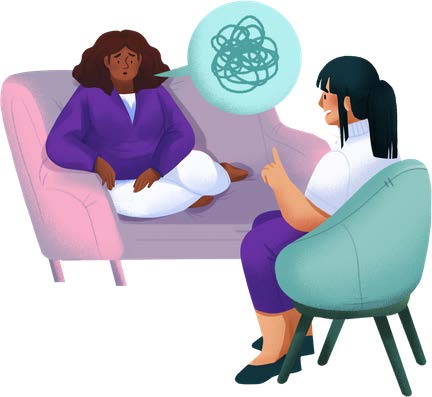
Self-harm is when someone hurts themselves intentionally which can be their way of coping with unbearable distress, and is strongly linked to a higher chance of dying by suicide. The emergency department (ED) is often the first place that people go for support. This experience can shape whether people feel comfortable seeking support again in the future, particularly when they are feeling most vulnerable. This means there
is a real opportunity to make these interactions more supportive and personalised.
Why this matters?
There is a lot of variation in how these assessments are carried out in the NHS. Staff training and relying on set questions can influence how much room there is for personal connection. Currently, there is no consistent support for adults after they leave the ED, during a time when they are particularly vulnerable. Research from around the world suggests that brief psychological interventions can be helpful. The ASsuRED trial was developed to address this gap.
What is involved in the ASsuRED approach?
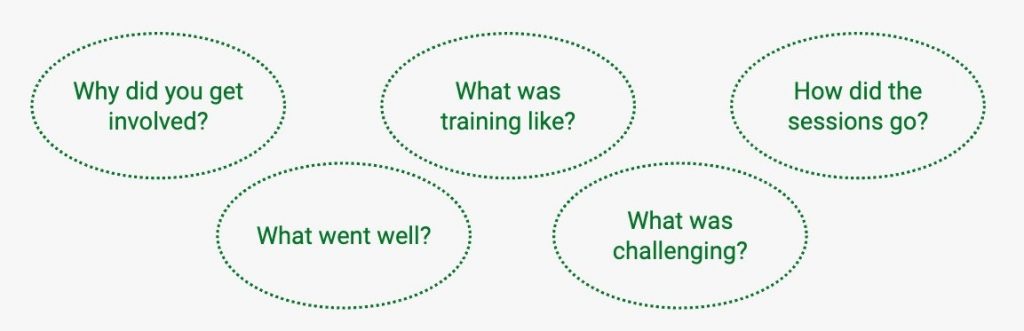
This study shares the experiences of 12 mental health practitioners from different EDs in England who received training and delivered the ASsuRED approach.
What did we ask practitioners?
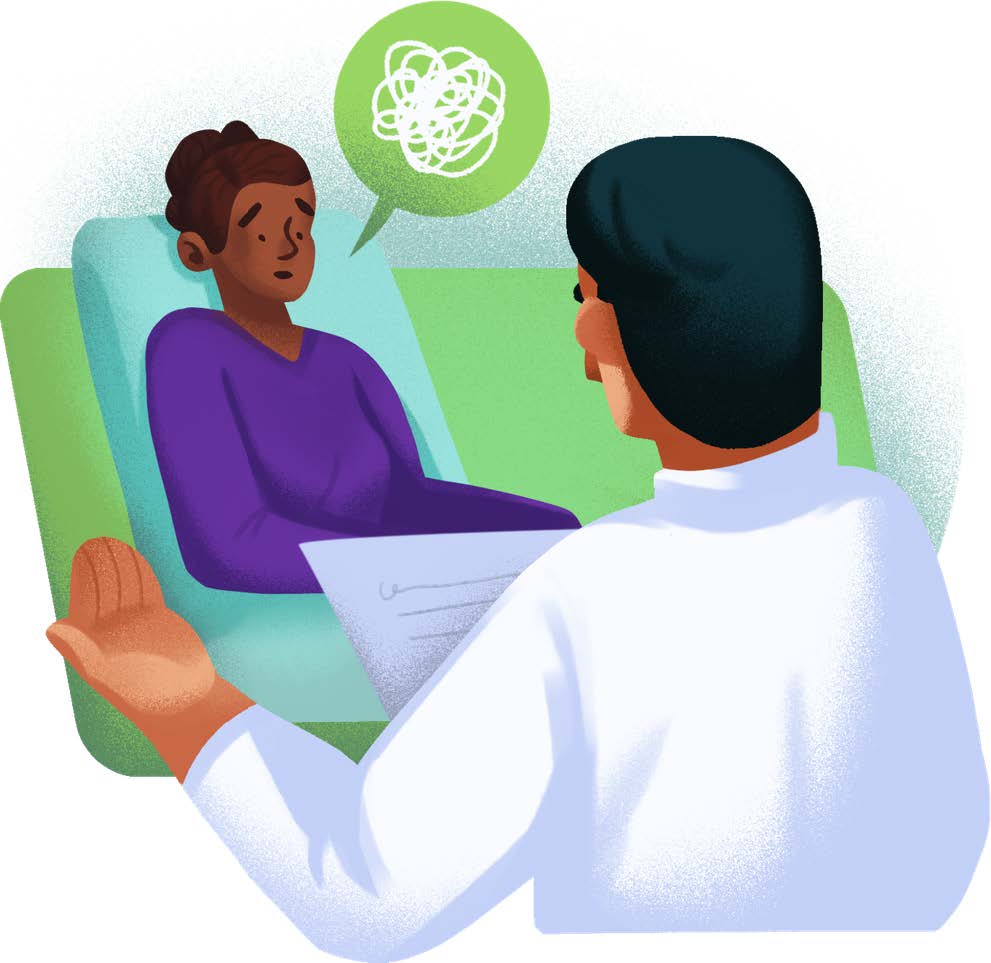
The ED environment is chaotic with many barriers within the healthcare system that can make it hard to provide the right kind of support. However, practitioners found that ASsuRED helped create a more flexible space to support people in managing and coping with how they were feeling.
Practitioners joined the trial for career development and encouragement from clinical managers. Some wanted to expand their clinical skills and have more patient-facing contact. They found the training was mostly engaging and helped built confidence, but some practitioners desired more time to prepare for sessions. They felt that the solution-focused approach was empowering and instilled hope. Some practitioners found following the structured manual challenging, and questioned whether the sessions
worked as well for people with varying needs.
Practitioners found they were able to build a relationship with patients by giving them space to share, listen non-judgementally, and approaching sessions with an open mind. Some sessions were carried out remotely, which was convenient and flexible despite technical difficulties. In-person sessions made it easier to understand what made people feel comfortable and notice non-verbal cues. Practitioners noticed that engagement varied between sessions which they linked to patient complexity and mental health or medical
history.
They found this easier to manage when they felt supported by the ASsuRED research team, knowing that responsibility for patients was shared. Practitioners valued having regular supervision sessions, which offered support, reassurance, and helped manage anxieties. They also emphasised how important it was to give patients clear information about wider service options.
What does this mean?
Flexibility matters. The approach needs to be adaptable to the fast-paced and unpredictable nature of the ED.
Solution-focused approaches instil hope. Practitioners saw improvements throughout sessions.
No single approach is going to work for everyone. Additional research is needed to adapt the intervention for people with varying needs.
Training and time matter. Practitioners need in-depth and interactive training to prepare them to deliver sessions. Having protected time is key to building confidence and connecting with patients.
Supervision is essential. This helped practitioners cope with the emotional demands of working with people during suicidal crises.
All clinical staff members need to be on board. Research in the NHS is challenging and needs support from the whole team.
-
Interview questions were developed with people with lived experience, helping to make sure they felt relevant and sensitive
-
Practitioners came from a range of different professional backgrounds and ethnicities, providing diverse perspectives
-
Interviews gave us a first-hand look into practitioners’ experiences, revealing details that trial results alone would not show
-
Interview questions were developed with people with lived experience, helping to make sure they felt relevant and sensitive
-
Practitioners came from a range of different professional backgrounds and ethnicities, providing diverse perspectives
-
Interviews gave us a first-hand look into practitioners’ experiences, revealing details that trial results alone would not show
Looking ahead…
Future research could explore what helps mental health staff feel confident when supporting people with self-harm or suicidal thoughts.
Practitioners suggested involving community mental health teams to follow-up with patients after they leave the ED.
Practitioners are using solution-focused skills learned from
ASsuRED in their current job, showing how easily these
techniques fit into everyday care.

Key Takeaways
This study shows that even in one of the most pressured parts of the NHS, hopeful moments of connection are possible. Practitioners found the ASsuRED approach empowering and valued its ability to create space for hope, recognising that EDs are an important point of contact for people who self-harm or have suicidal thoughts.
Nell carried out this qualitative project as part of her final MSc project. She has just completed her MSc in Clinical Mental Health Sciences at UCL and now works as a Research Assistant in the Department of Psychosis Studies at KCL.